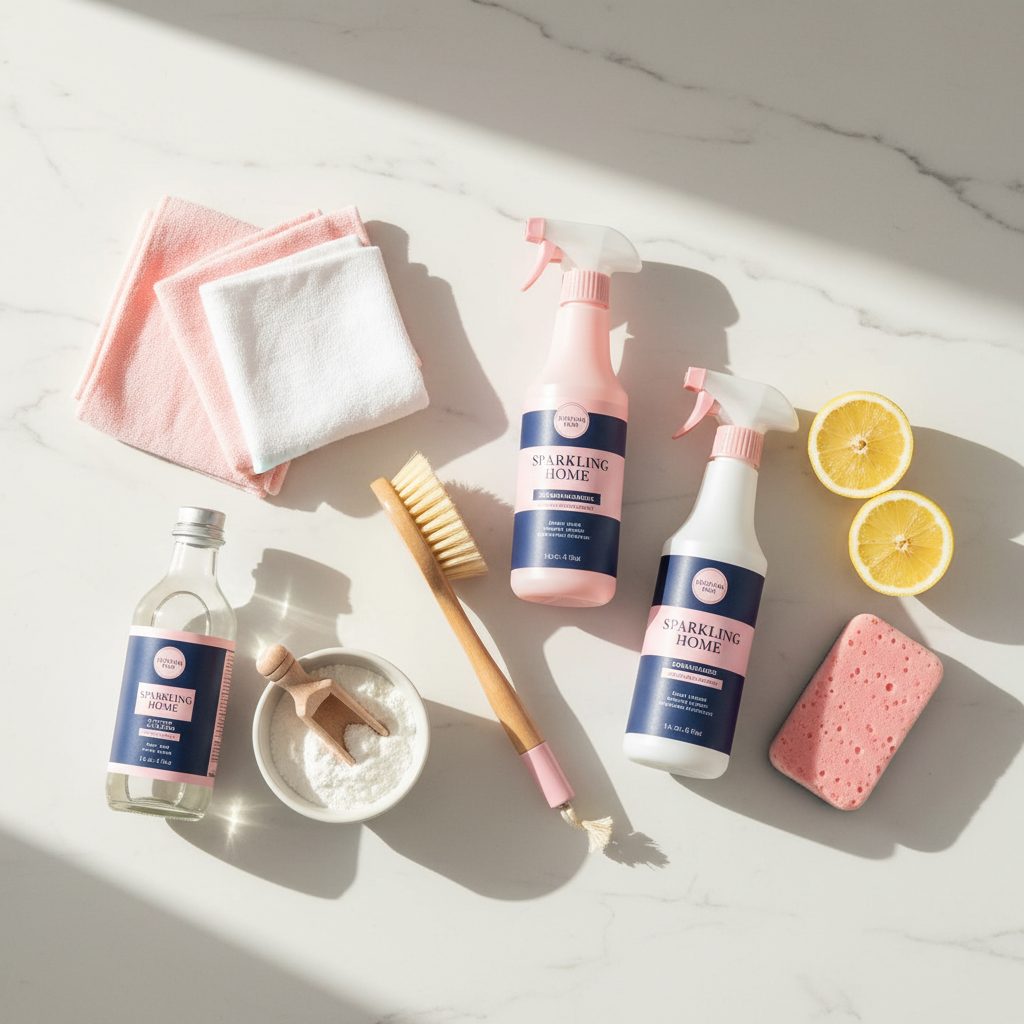
In 25 years of professionally cleaning homes, our team has seen every stain imaginable. Red wine on a white couch. Coffee across a cream-colored carpet. Permanent marker on a kitchen counter. The one thing we have learned is that almost every stain is removable if you know what you are doing and you act quickly.
The biggest mistake people make with stains is reaching for bleach or scrubbing aggressively. Both can set the stain deeper or damage the surface permanently. Professional cleaners take a different approach, and most of the time, the solution is already sitting in your kitchen pantry.
Here are the five most common stains we encounter and the exact methods our maids use to remove them.
1 Red Wine
Red wine is the stain that causes the most panic, but it is actually one of the easiest to handle if you get to it quickly. The key is to never let it dry.
Blot the spill immediately with a clean cloth. Do not rub. Rubbing pushes the wine deeper into the fabric fibers and spreads it outward. Once you have absorbed as much liquid as possible, pour a generous amount of table salt directly onto the stain. The salt draws the remaining wine out of the fabric as it absorbs the moisture.
Let the salt sit for at least five minutes, then brush it away. For any remaining discoloration, mix one part white vinegar with two parts cold water and dab the solution onto the stain with a clean cloth. Work from the outside of the stain inward to prevent spreading. Blot dry and repeat if needed.
Pro Tip: Club soda is an excellent first response for red wine. The carbonation helps lift the pigment before it bonds to the fibers. Our maids always recommend keeping a bottle handy if you are a wine drinker.
2 Coffee
Coffee stains are tricky because they contain tannins, the same compounds that make them so flavorful. Tannins bond quickly to fabric, so speed matters here just as much as it does with wine.
Blot up as much coffee as you can immediately. Then mix one tablespoon of white vinegar, one tablespoon of liquid dish soap, and two cups of warm water. Apply this solution to the stain with a clean cloth, working from the outside edges inward. Blot, do not scrub.
For older coffee stains that have already dried, make a paste of baking soda and water. Apply it to the stain, let it sit for fifteen minutes, then gently brush it away and treat with the vinegar solution. For white fabrics, a small amount of hydrogen peroxide can help lift stubborn discoloration, but always test on a hidden area first.
3 Grease and Oil
Grease stains from cooking oil, butter, salad dressing, or greasy food are some of the most common stains our maids deal with. The trick with grease is to absorb the oil before treating the discoloration.
Sprinkle a thick layer of baking soda or cornstarch directly onto the grease stain. These powders are natural oil absorbers. Let it sit for at least fifteen minutes, longer if the stain is large. The powder will visibly darken as it pulls the oil out of the fabric.
Brush away the powder and apply a small drop of dish soap directly to the stain. Dish soap is designed to cut grease, and it works just as well on fabric as it does on dishes. Work the soap gently into the stain with your fingers, then rinse with warm water. For carpet or upholstery, blot with a damp cloth rather than rinsing. Repeat the process if any discoloration remains.
Pro Tip: Never use hot water on a grease stain before treating it. Heat can set grease permanently into fabric. Always start with room-temperature or cool water, and only use warm water during the final rinse after the soap has broken down the oil. This is one of the most common mistakes our maids see homeowners make.
Some stains need professional attention. Our deep cleaning service tackles the spots that home remedies cannot reach.
Learn about our deep cleaning service →4 Permanent Marker
Permanent marker on countertops, walls, or furniture is a common challenge, especially in homes with children. Despite the name, permanent marker is not actually permanent on most surfaces if you use the right solvent.
For hard surfaces like countertops, whiteboards, or laminate, rubbing alcohol is the answer. Apply it to a cotton ball or clean cloth and dab at the marker. The alcohol dissolves the ink pigments and lifts them off the surface. For walls with latex paint, a small amount of non-gel toothpaste on a damp cloth works surprisingly well. Rub gently in a circular motion, then wipe clean with a damp cloth.
For fabric, place the stained area face-down on a paper towel and apply rubbing alcohol to the back of the stain. This pushes the ink forward into the paper towel rather than deeper into the fabric. Blot and move to a clean section of paper towel as the ink transfers. Follow up with dish soap and warm water.
5 Blood
Blood stains are intimidating but they respond extremely well to cold water and a few natural ingredients. The single most important rule with blood is to never use hot water. Heat causes the proteins in blood to coagulate and bond permanently to fabric fibers, making the stain nearly impossible to remove.
For fresh blood stains, rinse immediately with cold water. Most fresh blood stains will come out entirely with cold water alone if you catch them quickly enough. For stains that have already begun to set, make a paste of cold water and salt. Apply the paste to the stain and let it sit for fifteen to twenty minutes. The salt helps break down the blood proteins.
For stubborn or dried blood stains, hydrogen peroxide is highly effective. Apply a small amount directly to the stain and let it fizz. The fizzing action is the peroxide breaking down the blood proteins. Blot with a clean cloth and repeat as needed. Always test hydrogen peroxide on a hidden area first, as it can lighten some fabrics.
Pro Tip: For any stain on an unfamiliar fabric, always test your cleaning solution on a hidden area first. The inside of a hem, the back of a cushion, or an inconspicuous corner of carpet. Thirty seconds of testing can save you from turning a small stain into a bigger problem. Our maids test every product before applying it to a visible surface.
The Golden Rules of Stain Removal
After treating thousands of stains over 25 years, our team follows a few universal rules that apply to every type of stain on every surface.
- Act fast. The longer a stain sits, the harder it is to remove. Most stains are fully removable within the first fifteen minutes.
- Blot, never rub. Rubbing spreads the stain and pushes it deeper into the material. Blotting lifts it out.
- Work from the outside in. Treating the edges of a stain first prevents it from spreading outward.
- Use cold water first. Unless you know the stain responds to warm water, start cold. Heat sets most protein-based and tannin-based stains.
- Try natural solutions first. Vinegar, baking soda, salt, dish soap, and hydrogen peroxide handle the vast majority of household stains without harsh chemicals.
Every home gets stains. It is simply part of living. But knowing how to respond quickly with the right technique can save your furniture, your carpet, and your favorite shirt. Keep a small kit under your sink with white vinegar, baking soda, dish soap, hydrogen peroxide, and clean white cloths, and you will be ready for anything life spills on you.